Saving Wildcats celebrates landmark 50 wildcat releases
Conservationists at Saving Wildcats are celebrating the release of fifty wildcats into the Scottish Highlands. The major milestone was reached following the release of four wildcats this summer.
Saving Wildcats is a partnership project, led by wildlife conservation charity the Royal Zoological Society of Scotland (RZSS). It works to save wildcats from extinction in Scotland and has been releasing the species into the Cairngorms National Park since 2023.
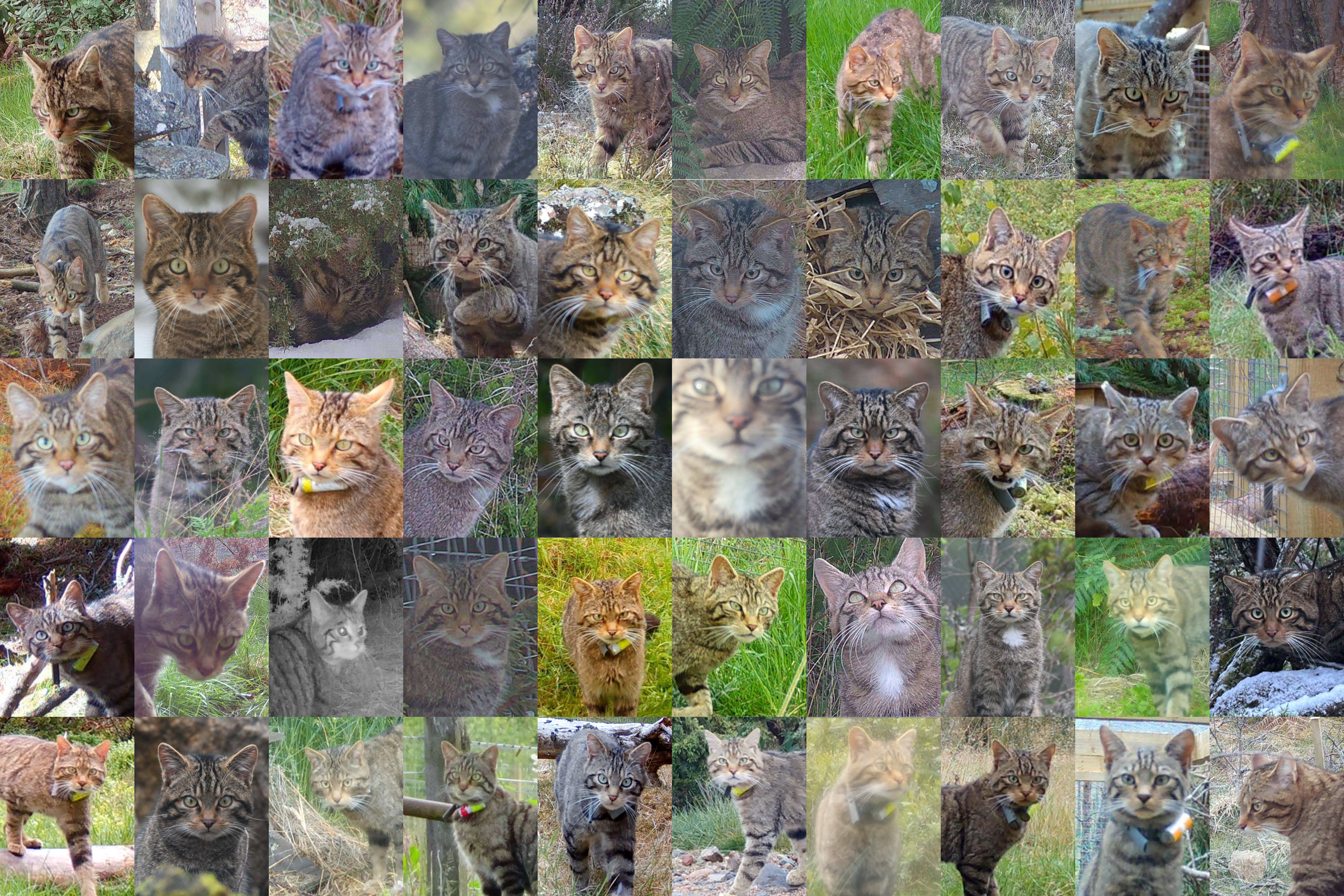
The project shows promising results. Females have given birth in the wild for three consecutive years, suggesting the population is establishing itself naturally. Despite such positive outcomes, the species remains critically endangered in Scotland and in need of ongoing support.
This news follows NatureScot’s publication of Scotland’s Wildcat Strategy last week. The strategy builds on the lessons learned from Saving Wildcats’ successes to inform the next steps to secure the future of Scotland’s wildcats.
Dr Sarah Henshall, head of conservation for the Cairngorms National Park Authority said: “To have released fifty wildcats in four years is a monumental step for the recovery of this iconic Scottish species. It is a testament to the partnerships and communities that are working to ensure wildcat survival in Scotland. We are proud, but we all remain conscious of the difficulties wildcats still face.”
The project hopes to bolster the released population by increasing numbers and genetic diversity through further releases. This will include releasing individuals bred with Spanish wildcats, which are the closest living genetic relatives of Scotland’s wildcats.
Dr Helen Senn, head of conservation and science programmes at RZSS, said: “The wild is a tough place for wildcats, and that is before the added pressures of climate change. Just look to this summer, when wildfires caused extensive damage to known wildcat habitats in the Cairngorms National Park.
“It is important to continue bolstering the wildcat population through releases. Establishing a diverse gene pool will help the population adapt to changing conditions over the coming century. This will support a healthy and sustainable population and give wildcats the best chance of long-term survival.”
Wildcat habitats often overlap with land managed by people. These landscapes provide a mosaic of forest edge, rough grassland, scrubland and riparian areas where dry land meets water. Saving Wildcats works closely with land managers, farmers and local communities to support coexistence between wildcats and the people who live alongside them.
Eleven mortalities have been recorded among released wildcats over the course of three years. Five were the result of vehicle collisions. Many of these wildcats survived in the wild for several years and produced litters before their deaths. This mortality rate is considered highly successful, as rates are often higher in other translocation projects.
The team is working with local authorities and communities to raise awareness of wildcats in the landscape and explore opportunities for additional signage across the area.