Nature Restoration Fund secures a future for Scotland’s wildcats
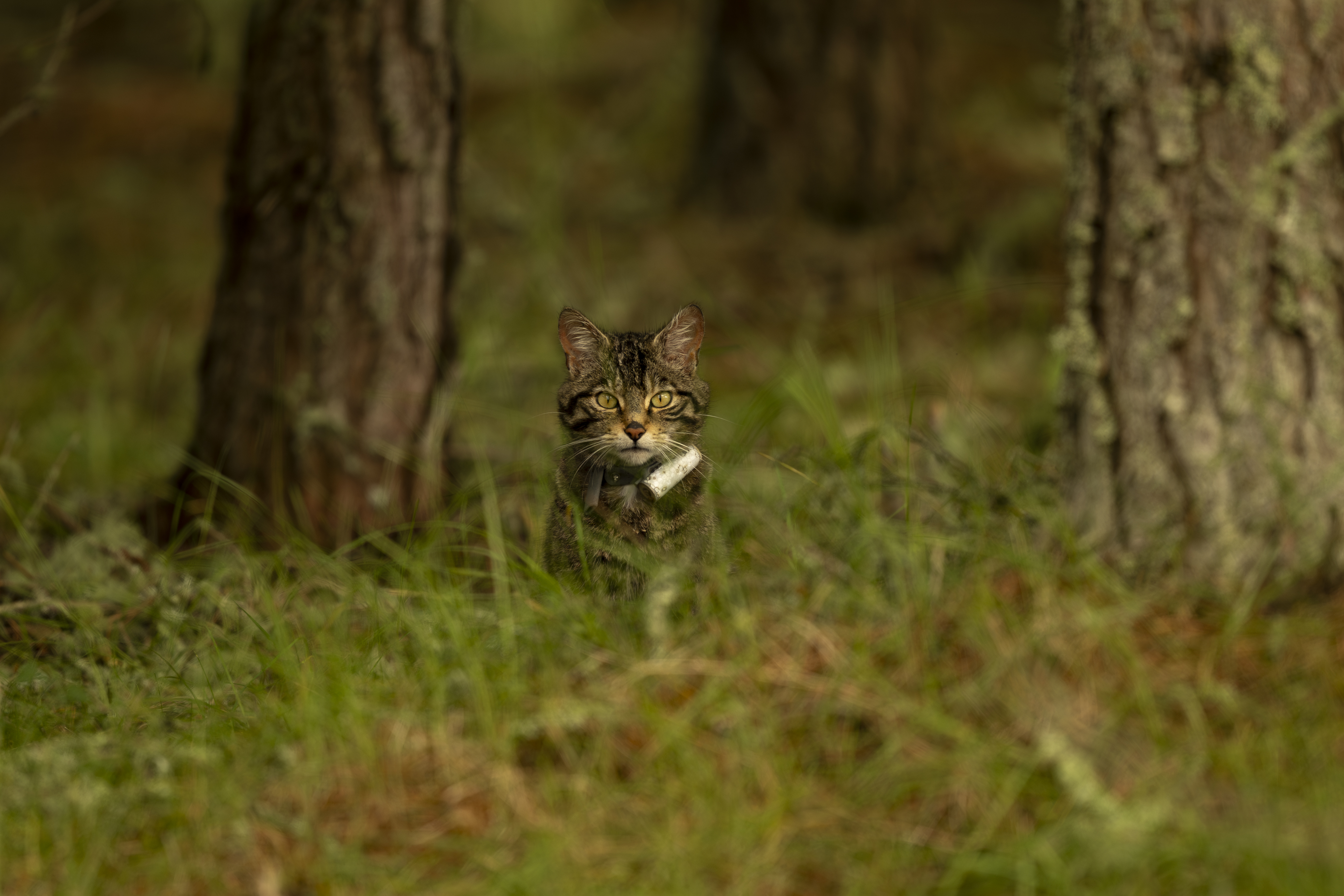
At the start of 2026, the Saving Wildcats project celebrated the news that it was receiving over £400,000 from the Scottish Government’s Nature Restoration Fund, managed by NatureScot. This funding will help to secure a future for Scotland’s wildcats, building on the successful releases of 46 wildcats into the Cairngorms National Park, which prevented the extinction of the species in Scotland.
These releases, and the subsequent births of kittens to released females, indicate that the process of breeding wildcats for release into the wild is working. Thanks to the support of project partners, funders and thousands of people across the world, Scotland’s wildcats are slowly clawing their way back from the brink of extinction.
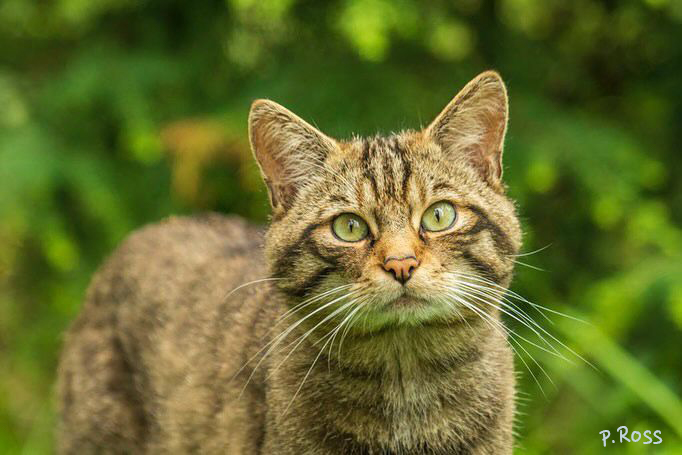
However, wildcats are still one of Scotland’s most threatened species and a significant amount of work is still needed to secure their future. The fragile new population has a long way to go before it can be considered resilient – and there are multiple threats that still need to be addressed.
The Nature Restoration Fund will help Saving Wildcats to tackle these threats, while supporting the new Cairngorms-based population of wildcats on their journey to recovery by continuing releases and ongoing monitoring. Over the next few years, the project will continue to secure a future for Scotland’s wildcat, which will include focusing on several important elements, which are detailed below.
Reducing the threat of hybridisation (interbreeding) between wildcats and feral domestic cats
One of the threats that the Scottish wildcat population continues to face is hybridisation (or interbreeding) with feral domestic cats. Despite being two species separated by approximately a million years of evolutionary history, wildcats (Felis silvestris) and domestic feral cats (Felis catus) can interbreed (or hybridise), producing fertile offspring.
This mixing can lead to the loss of genes that wildcat populations need to function in the wild. This process of hybridisation has pushed the Scottish wildcat population to the brink of extinction.
While many of the released female wildcats have successfully reproduced with released male wildcats, there have been recorded cases of hybridisation between released female wildcat and an un-neutered male feral domestic cats. This has occurred despite extensive efforts to trap, neuter, vaccinate and return feral domestic cats in the release site. Together with partner Cats Protection, the project has neutered over 120 feral domestic cats across Badenoch and Strathspey.
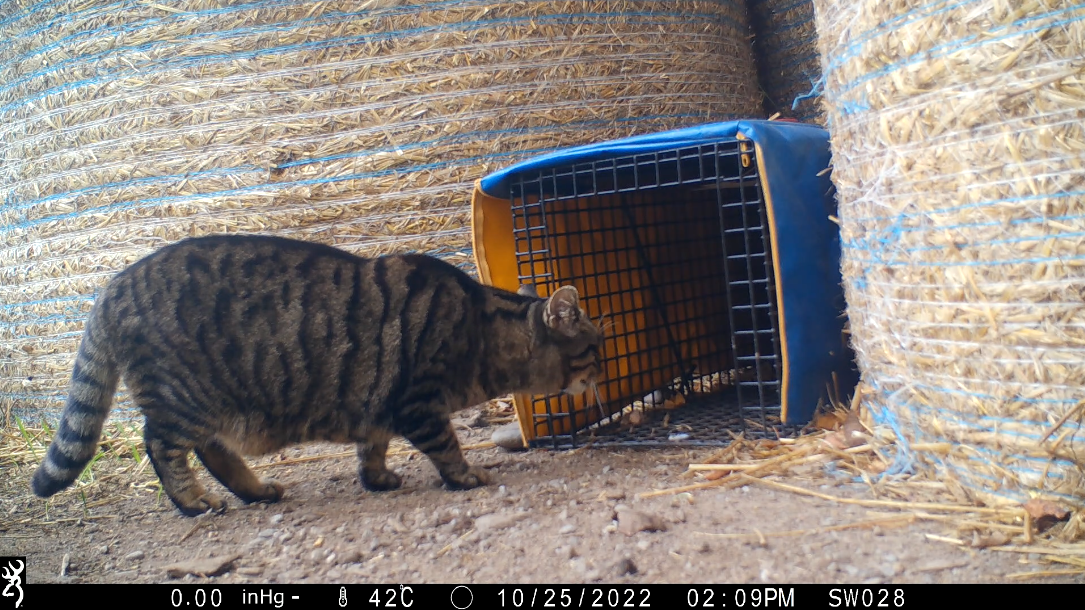
Saving Wildcats is incredibly grateful to those many people that have actively supported wildcat recovery by neutering, vaccinating and microchipping their pet cats to secure a future for Scotland’s wildcats. However, there are unfortunately known unneutered cats within the release site which are posing a threat to the vulnerable wildcat population. The project is open to discussing concerns about neutering with individuals and can provide financial and logistical support to anyone who needs help neutering their cats.
Neutering not only helps Scotland’s wildcats, but also prevents the birth of unwanted litters, helping to prevent more cats being born than there are homes available. There are also many health benefits associated with neutering pet cats. These include a reduction in the likelihood of tumour prevalence in female cats, and a reduction in the likelihood of male cats contracting infectious diseases, due to a reduced risk of fighting with other males
With Nature Restoration Funding, Saving Wildcats will work with project partner Cats Protection to continue to conduct TNVR in the project’s release site and to encourage responsible domestic cat ownership.
This work will also include advocating for mandatory microchipping, in line with legislation in England, as this would significantly reduce the time and resources required to verify domestic and feral cat ownership status during TNVR activities, which should increase neutering rates and efficiency.
There are many benefits associated with microchipping pet cats. Microchipping can significantly increase your pet cat’s chance of being found when lost, as many vets and animal welfare organisations scan lost cats for microchips, including Saving Wildcats.
Conducting more releases to secure the population, reduce hybridisation and increase genetic diversity
Although 46 wildcats have already been released into the Cairngorms National Park, this newly establishing population is so small that it is extremely vulnerable to direct threats such as road traffic mortalities and climatic extremes (e.g. wildfires).
Further releases of wildcats into the area will ensure the population becomes more resilient and stable to withstand these unpredictable challenges. Saving Wildcats plans to release four wildcats into the Cairngorms National Park this summer, with further releases planned from 2027 onwards. The current aim is to establish a minimum of 30 stable female territories; however, this is still a fraction of the number of wildcats which would have been found historically.
These planned releases will aim to reduce the risk of hybridisation in the released population. Historical evidence from Scotland shows us that wildcat populations have mostly been free of hybridisation even when domestic feral cats have been present in the landscape. Studies conducted in other areas across Europe have also found this, suggesting that wildcats prefer to mate with other wildcats given the option and that small population size has been the recent driver for hybridisation.
Further releases, accompanied by carefully monitoring, will therefore aim to reduce the impact of hybridisation, as well as increasing the genetic diversity of the released population.
Genetic diversity is crucial for the survival, adaptability, and resilience of species and ecosystems. To increase the genetic diversity, Saving Wildcats plans to introduce genes from Spanish wildcats into the released population. Genetic testing has shown Scotland's wildcats are closely related to Spain's wildcats. The project is planning to breed wildcats of Spanish origin with wildcats of Scottish origin and subsequently release their offspring into the wild.
Ensuring a fair coexistence between wildcats and the people they live alongside
Saving Wildcats will continue to work with the local communities and stakeholders where wildcats have been released. Unfortunately, the presence of the released wildcats has created some local tensions, namely around wildcat predation of poultry and gamebirds. While there have been 19 cases of poultry predation over the course of three years, in an area of 220km2, these incidences have understandably caused some unease regarding the presence of wildcats.
Support has been given to affected poultry owners, including the provision of predator proof coops and runs as part of a trial programme. The team provide and construct the coops and runs and then monitor them using trail cameras to ensure they’re providing effective protection.
There have also been incidences of pheasant predation, pheasant disturbance and three incidences of wildcats entering pheasant pens. Following these incidences, productive conversations have been held, and the Saving Wildcats are committed to continuing to work with those affected.
To further these initial efforts, the project will be working in partnership with the Game and Wildlife Conservation Trust and Agroecosystems Ltd to develop deeper, collaborative relationships with farmers, gamekeepers and land managers living alongside the released of wildcats. As part of this, GWCT and Agroecosystems Ltd will be supporting land managers to monitor the presence of multiple species, including wildcats, on their land to build knowledge about how wildcats are adapting to the local landscape.
Together with partners, Saving Wildcats will continue creating practical ways to prevent wildcats from preying on poultry and gamebirds, helping support wildcat recovery and ensuring a fair coexistence for people and wildcats.
Ongoing monitoring of the released population and trialling new monitoring techniques
Continued monitoring of the released population is necessary to ensure that the threats that it faces are understood, and that we understand where and how best to target interventions.
To ensure that our approach is suitable in the long-term, Saving Wildcats will be trialling new methodologies of monitoring the released population. This will include the development and trial of new methodologies to process and analyse camera trap images. We will also be trialling audio recorders which will hopefully allow for the identification of wildcats from their mating calls. These new monitoring techniques will also hopefully benefit other species that live along wildcats in the release site.
Engaging people with wildcats
Saving Wildcats will continue to conduct community-based outreach and engagement activities to support those living alongside the newly establishing population of wildcats in the Cairngorms National Park and will ensure that local people benefit from the restoration of this species.
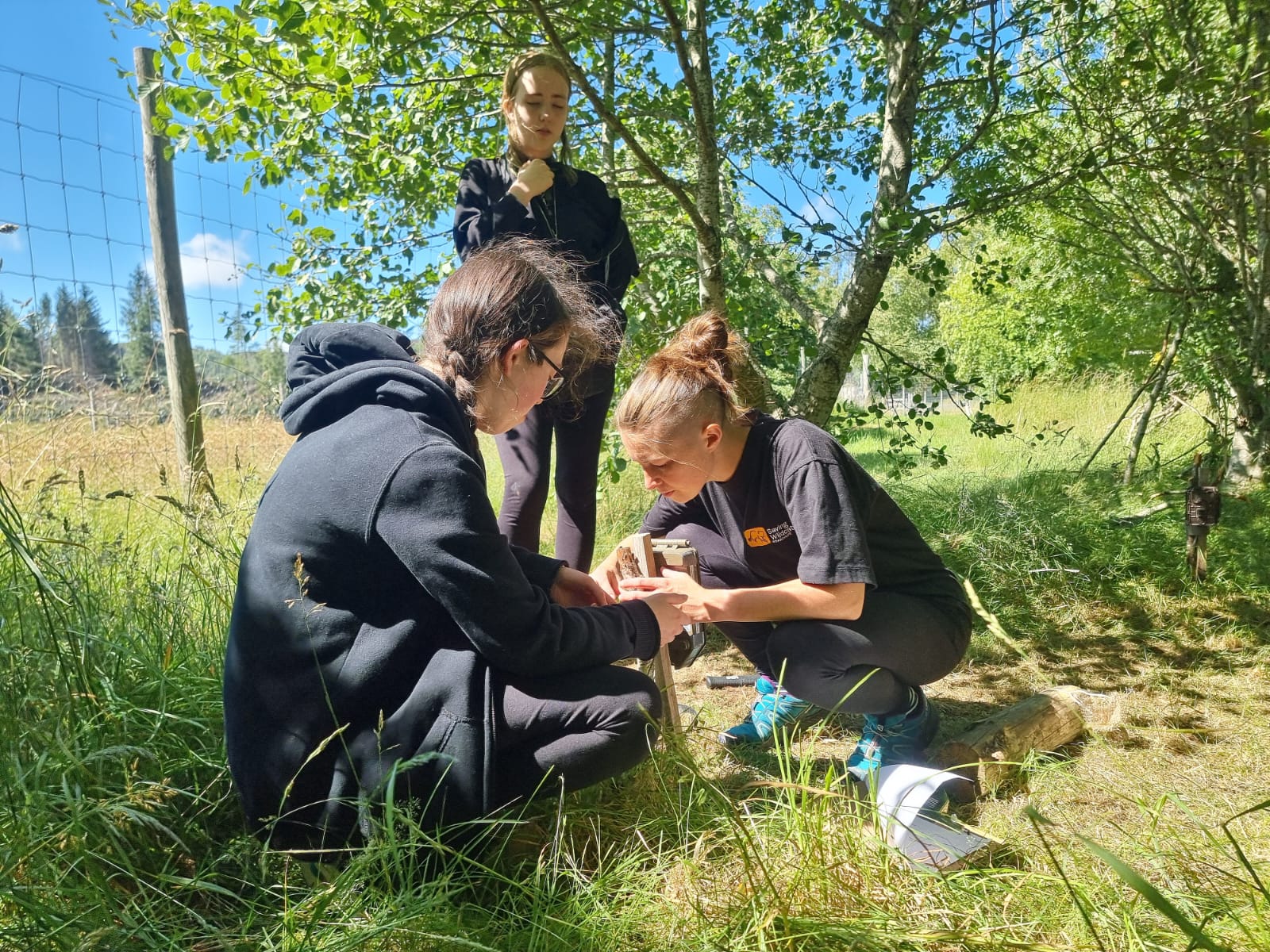
Activities will build on established initiatives, which include attending local community events, such as Highland Games and agricultural shows. The project will aim to continue visiting schools to deliver curriculum relevant lessons, develop local training and volunteer opportunities in addition to the project’s long-term volunteer programme and use wildcats to promote local businesses and sustainable tourism. If anyone is interested in working with Saving Wildcats to achieve this, please get in touch.
This work is supported by the Scottish Government’s Nature Restoration Fund, managed by NatureScot and will be led by The Royal Zoological Society of Scotland , working closely together with project partners NatureScot, Forestry and Land Scotland, Cairngorms National Park Authority, Cats Protection, Agroecosytems Ltd and the Game and Wildlife Conservation Trust.
Additional support will be provided through collaborations with Cairngorms Connect, WildCRU, the Vincent Wildlife Trust, Junta de Andalucía, Nordens Ark and the Government of Navarre. The project will also work closely with a wide range of local landowners, farmers and businesses, conservation NGOs and academic stakeholders.