
Direct releases: Using a different approach to release wildcats
Saving Wildcats has now successfully released 46 wildcats into the wild in an effort to save the species from extinction. However, to give the small population a fighting chance, further efforts are necessary. More animals will be released this year, adding to the population so that it stays as unrelated as possible. Releasing more wildcats will also ensure that the population can cope with potential future challenges, such as wildfires, bad weather and disease.
After the birth of kittens in the project’s conservation breeding for release centre at Highland Wildlife Park last year, four kittens are currently preparing for the challenges of life in the wild in carefully designed pre-release enclosures. These kittens are eligible for release later this year.
The releases of wildcats have typically involved using a ‘delayed release’ approach (also sometimes called a 'soft release')– involving the transfer of wildcats from the pre-release enclosures at Highland Wildlife Park into temporary enclosures, located in the project’s release site. The wildcats are individually moved into these enclosures so that they have time to acclimatise to their surroundings for several days prior to their release. They are monitored by cameras in these enclosures, with experienced members of the Saving Wildcats team carefully continuing to provide food and water in a way that minimises disturbance. Then, in the early hours of the morning, the enclosures are quietly opened, allowing the wildcat to calmly leave in their own time.
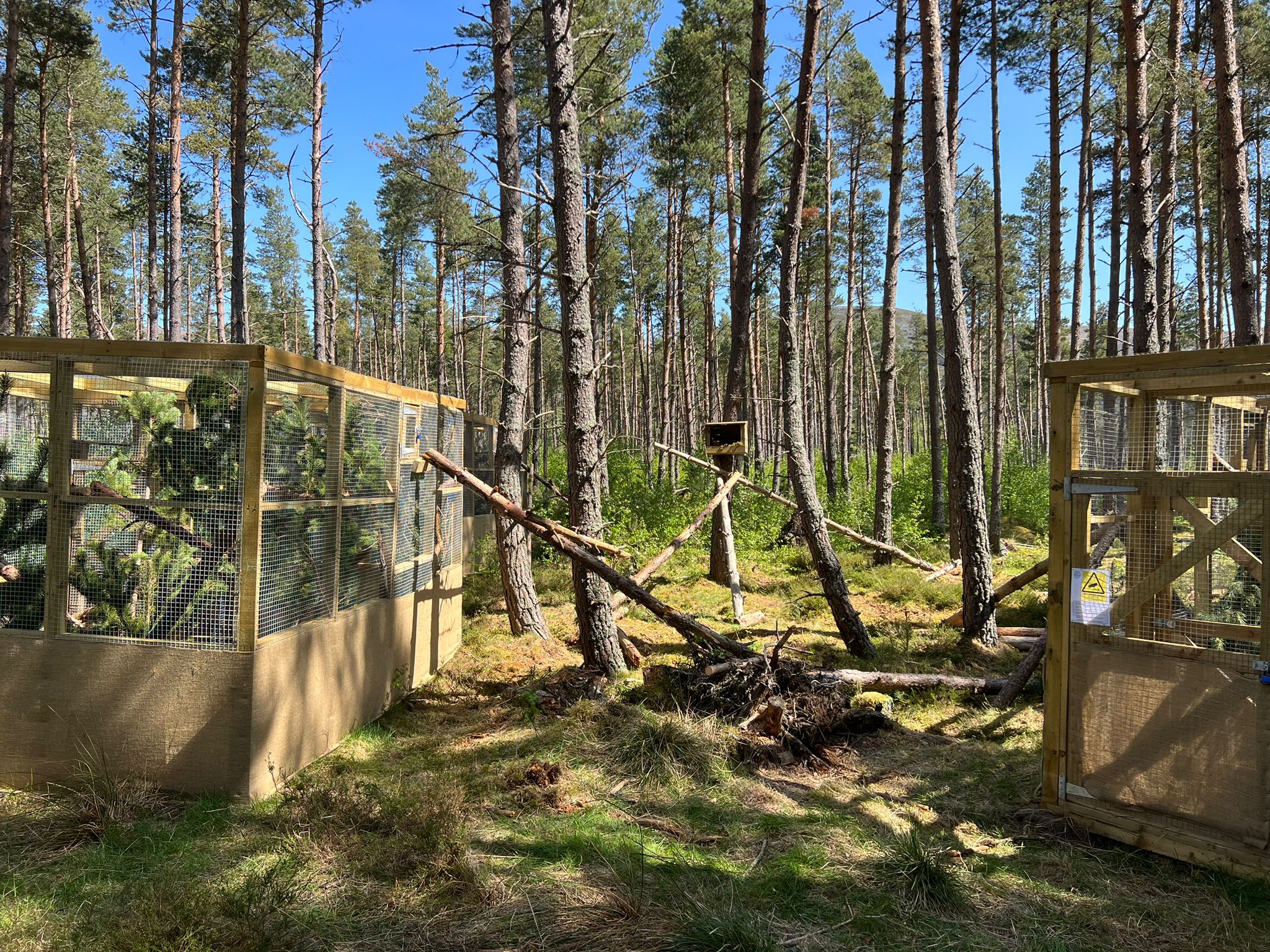
However, last year the project adopted a new approach to releasing wildcats, known as a 'direct release'. This method provides greater flexibility in selecting release sites and enabled specific wildcats to be introduced into areas where their genetic contribution was most needed. Using this approach, three wildcats were successfully released into the wild. At the time of writing, all three of these wildcats have remained close to the area they were released into and seem to have adjusted well to life in the wild. They have been regularly monitored by both camera traps and their GPS-radio collars.
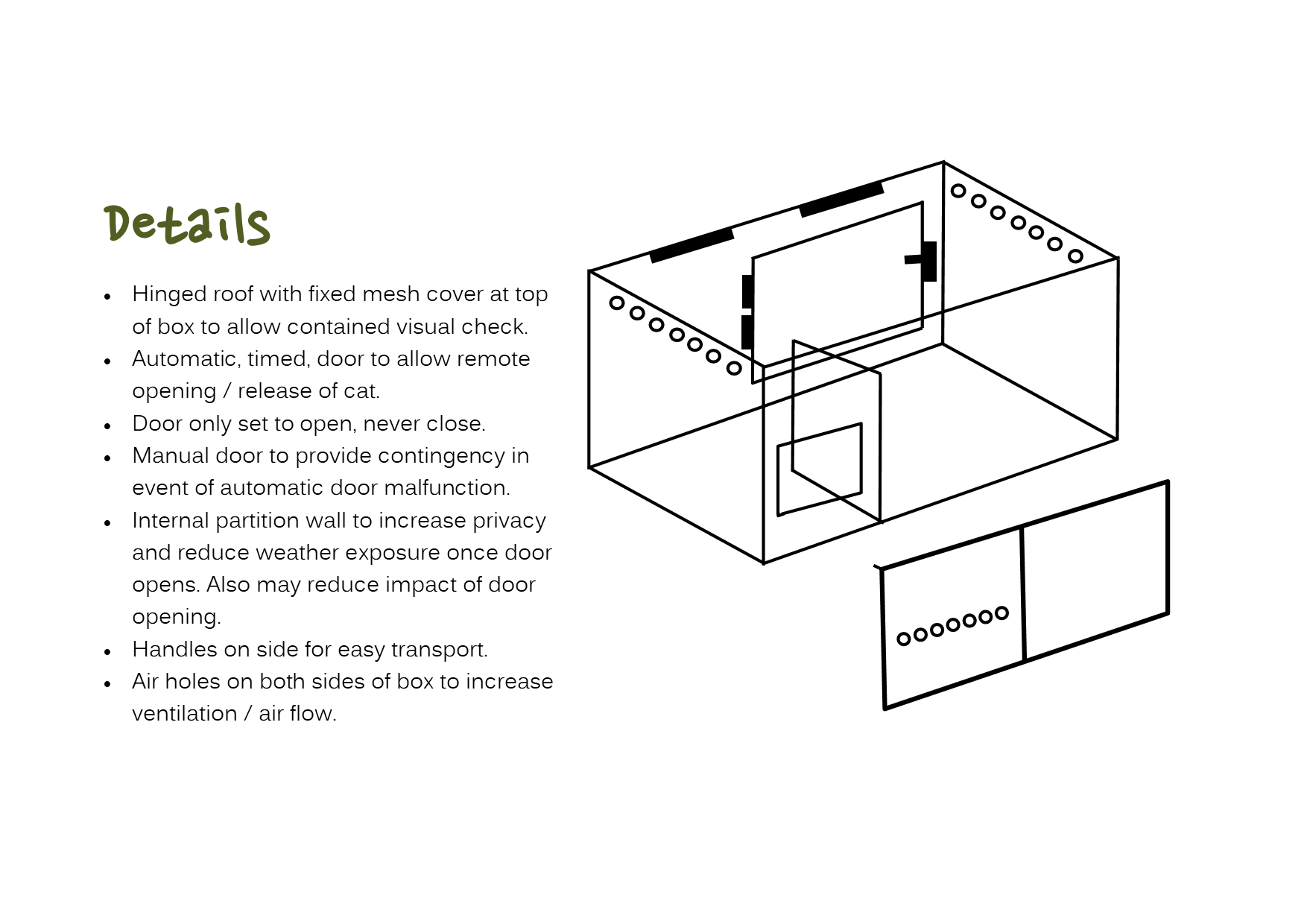
Direct releases are conducted by moving the wildcat from their pre-release enclosures into a bespoke box (see below), which is then directly placed at pre-determined release points (hence the term ‘direct release’). These boxes are specifically designed with automatically closing doors and are built to comfortably transport wildcats.
This process begins with placing the direct release box into a wildcat’s pre-release enclosure for a few weeks, giving the cat time to build familiarity with the box by allowing the cat to cache food (store food for future use) and rest in. A few weeks prior to the release, the wildcat is fitted with a GPS-radio collar (which are necessary to track their movements post release) while receiving a veterinary health check under anaesthesia.
Once the collars have been fitted, they are transferred back into their pre-release enclosures and gently placed in the direct release box. Upon recovering fully from their anaesthesia, the wildcat can then leave the box in its own time – this gives the wildcat a chance to experience exiting a direct release box in a recognisable environment, building further familiarity with the release process.
The direct release box is then kept in the enclosure for a few more weeks, allowing the wildcat to become accustomed to this box’s presence. Recognisable bedding (e.g. straw) is placed in the box, and food is placed around it, encouraging the wildcat to become familiar with it.
During this time, the box’s doors are set to automatically open and close at set intervals, so that the wildcat can become used to the sound of the door opening and closing. Their interactions with the box are also monitored using CCTV, so that the team can be confident that they are becoming accustomed to the box.
When the week of release is decided, the collared wildcat is trapped using a humane wildlife trap then carefully transferred into the direct release box in its pre-release enclosure by the experienced ex-situ management team. Food and familiar bedding will have already been placed in the box. Once the wildcat is in the box, it is carefully secured, before being driven to the pre-determined release point.
When the box is in place at the release point, the door to the box is set to open remotely, allowing the wildcat to leave in its own time, taking its first steps into the wild. The box then remains at the site so that the wildcat can return to it if it wants. Supplementary food is then provided to help the wildcat to adjust to living a wild life.
The three wildcats that were released using this approach, Gorse, Tystie and Lochy, are all now part of the newly establishing wildcat population in the Cairngorms National Park, each contributing to bringing back the species from the brink of extinction.
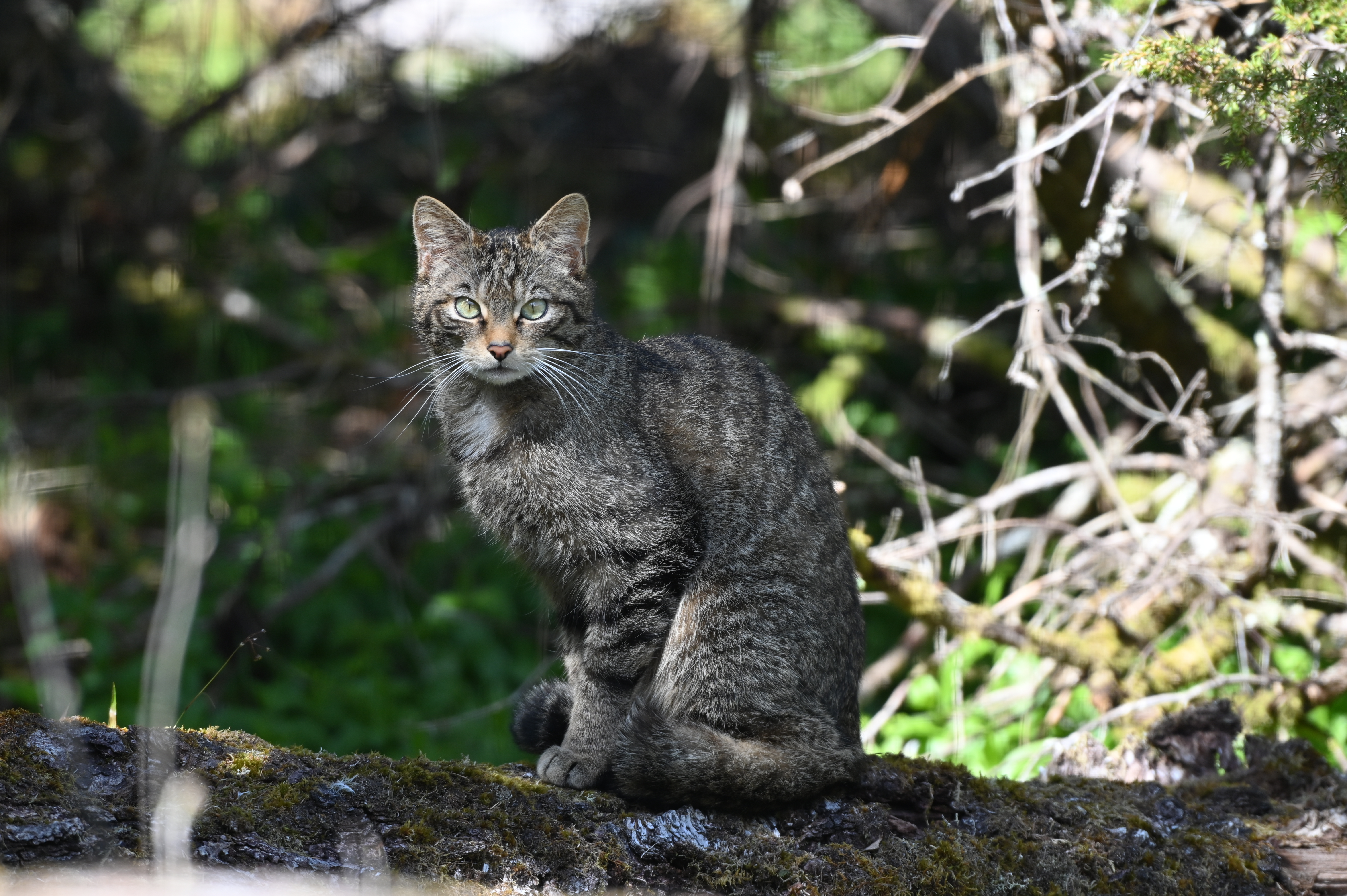
One of the released wildcats, Tystie, leaving her direct release box
Which approach will Saving Wildcats use in the future?
Saving Wildcats will continue to use both release methodologies – there is currently no definitive conclusion as to whether one approach is better than the other. This is echoed in the academic literature, with several studies assessing the merits of delayed/ soft release approaches versus direct release approaches and finding no clear winner.
Each is appropriate for different circumstances. One of the benefits of the direct release approach is that the project can be increasingly flexible with release locations, whereas delayed releases can only occur in at certain locations.
This is because delayed release enclosures can only be built in an area of relatively flat ground, with proximity to an access road limiting the choice of site. However, by using the direct release method, a more appropriate location can be chosen.
Alternatively, there may be elements of a delayed release approach that could increase site fidelity (encouraging wildcats to remain in specific areas), which could in turn allow the project to release genetically distinct wildcats into an area where there would be suitable individuals eligible to breed with, thus increasing genetic diversity. Continuing to trial both types of releases could help us to understand how each method could support wildcat population reinforcement efforts in the future both here and elsewhere.